
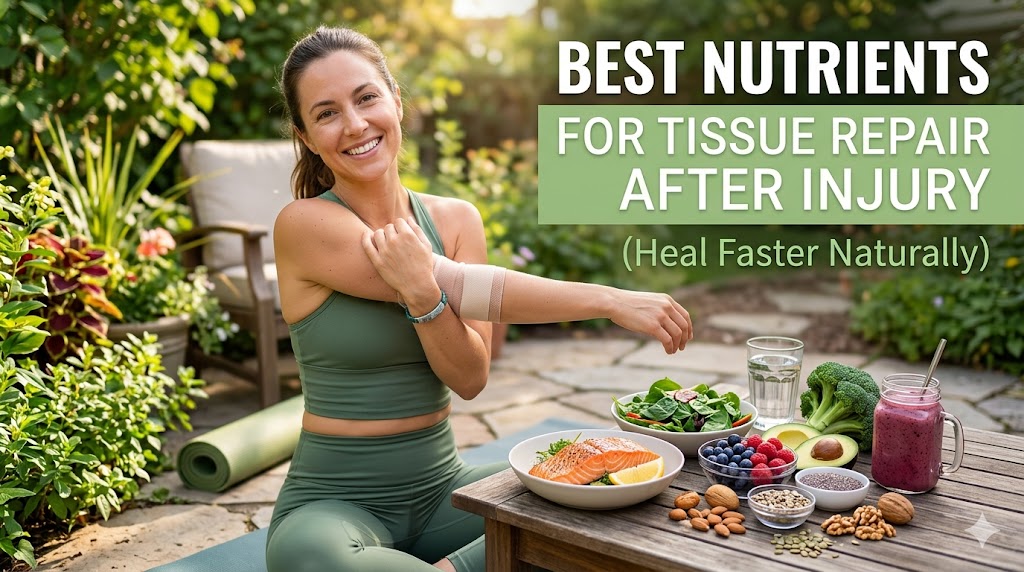
Injuries can be frustrating because they affect mental and physical well-being and often occur when you least expect them. While recovery from an injury may feel slow and challenging, proper rest and good nutrition can quicken healing. During the recovery, the body requires essential nutrients, such as protein, zinc, vitamin C, and fluids, to repair tissues more quickly and restore normal function.
In this guide, we will discuss the best nutrients that support recovery and enhance the body’s natural healing process.`
What happens when your body is healing?

When you get injured, the healing process occurs in multiple steps. First, hemostasis starts to stop bleeding, and blood cells trigger inflammation, causing redness and swelling. Next, the proliferation stage begins, where the body starts building tissues. All of this requires nutrition, and the right foods are essential for effective recovery.
Important Nutrients to Enhance the Healing Process
Protein
Protein is essential for healing and repairing muscles, skin, and other tissues. The main function of protein is to build muscle. When you are in the recovery phase, it's essential to consume enough protein, as it supports recovery. After an injury, muscle mass can decrease, potentially slowing recovery. However, by maintaining the right amount of protein, we can reduce the risk of significant muscle loss. Try to have at least 25-30 gm of protein per serving to meet your protein needs.
Food Sources: Chicken, eggs, fish, lentils, beans, chickpeas, nuts, and seeds.
Magnesium
Magnesium can also be helpful if you are healing from an injury. It supports protein synthesis and collagen formation. Magnesium also acts as a cofactor in ATP production and provides sufficient energy for cellular activities such as cell division, migration, and regeneration. Magnesium promotes the growth of fibroblasts and epithelial cells, which support wound healing and tissue regeneration.
Food Sources: Leafy greens & vegetables, fruits, healthy fats & nuts
Anti-Inflammatory Foods
After an injury, inflammation can occur in the body, and adding anti-inflammatory foods can be an effective way to aid in recovery. Anti-inflammatory foods can reduce inflammation while supporting tissue repair. These foods reduce oxidative stress and provide essential nutrients for collagen formation.
Food Sources: Leafy greens & veggies, fruits, healthy fats & nuts, olive oil, and spices like turmeric and ginger.
Vitamin C-rich Vegetables & Fruits
Vitamin C-rich food also supports wound healing and tissue regeneration. It enhances collagen synthesis and boosts immune function. Vitamin C also helps remove scars from injury and strengthen skin elasticity, ligaments, and tendons. Without enough vitamin C, your body cannot make strong, stable tissues that support the healing process. It's important to consume vitamin C daily to meet your daily requirements and speed recovery.
Food Sources: Oranges, lemons, guava, capsicum, berries, and peppers.
Zinc
Zinc is an important mineral that supports cell growth and tissue repair. Without enough zinc, your body can take a long time to recover. Zinc is involved in multiple stages of the healing process, including reducing inflammation, promoting tissue formation, and supporting cell growth and division, which help regenerate tissues. In addition, zinc strengthens immune function. Therefore, it’s crucial to consume zinc-rich foods during recovery. After an injury, the body becomes more susceptible to infections, and consuming zinc-rich foods can help fortify the body's natural defence system.
Food Sources: Eggs, meat, fish, dairy proteins, nuts, seeds, and legumes.
How Long Does Tissue Repair Take After Injury?
The timeline of tissue repair depends on the severity of injuries. The recovery timeline also varies based on nutrition, age, and care. Nutrient-rich foods and proper rest are essential to improve the healing process.
Muscle healing timeline:
-
Mild strain: around 2 weeks
-
Moderate to severe injury: 2 weeks to 6 months
Ligament healing timeline:
-
Mild sprain: 2-4 weeks
-
Moderate sprain: 4-10 weeks
-
Severe Tear: 6 months to 1 year
Skin Healing Timeline:
-
Minor Cuts: 3-7 days
-
Moderate wounds: 2-4 weeks
-
Severe wounds or deep injuries: Several months to 1 year
Bone Healing Timeline:
-
Simple fractures: 5 weeks to 3 months
-
severe fractures: 6 months to 1 year
Why Nutrients Matter Much
Nutrients are essential to ensure you heal soon after injury. Every stage of healing depends on the nutrients you consume. With better nutrition, you can significantly improve your recovery chances. Insufficient nutrients can delay recovery and weaken your immune system. When you are recovering, your body actually needs more nutrition to repair muscles and bones. Recovery occurs in distinct stages, including the inflammation, proliferation, and remodelling stages. Each stage requires specific nutrition to reduce your recovery timeline.


