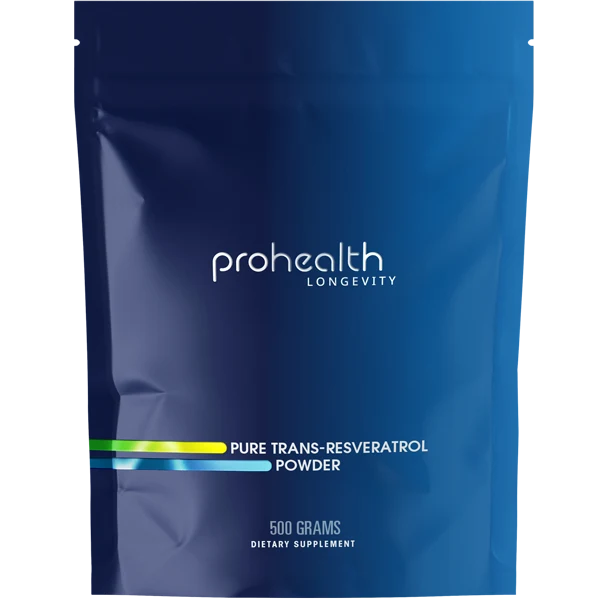
Supports brain, cardiovascular, cellular and joint health
- Supports brain health and cognitive function
- Supports cellular and DNA health
- Supports healthy aging
- Supports heart and metabolic health
Research-Supported Benefits:
Supports Brain Health. Research shows that resveratrol, a molecule found in red grapes and wine, may protect the brain from symptoms of brain aging, including improving memory and delaying cognitive decline. The neuroprotective effects of resveratrol come from its sirtuin-activating, inflammation-regulating, mitochondrial-supporting and antioxidant activity. (1-3)
Supports Cellular and DNA Health. Resveratrol acts as a potent antioxidant, which reduces harmful oxidative stress. It also activates genes called sirtuins. Healthy sirtuin activity helps to fight cellular senescence, support DNA repair, boost mitochondrial function and generate cellular energy through ATP production. (3,4)
Supports Healthy Aging. Resveratrol activates SIRT1, often referred to as the "longevity gene." Healthy older adults tend to have higher levels of SIRT1 activity, and SIRT1 overexpression can increase lifespan in worms and animals. In humans, SIRT1 supports healthy aging and longevity. (5,6)
Supports Joint Health. Due to its role in supporting healthier inflammatory responses and modulating oxidative stress, resveratrol has exhibited joint-protective effects. (7)
Supports Heart Health. Resveratrol is well-known for its link to supporting cardiovascular health. Research has found that resveratrol benefits endothelial function, blood vessel health and blood pressure by boosting SIRT1 activity, reducing oxidative stress and increasing nitric oxide production. (8,9)
Supports Metabolic Health. Resveratrol activates SIRT1, which has been studied for its role in supporting healthier glucose metabolism. People with reduced SIRT1 expression tend to have higher blood sugar, poor glucose control and metabolic disorders. (10)